

What Is the Best Dog Leash Length for Walking, Training, and Recall Sessions?
The best dog leash length depends on your goal, your dog’s skills, and where you train. A 6-foot lead is standard for most walks and basic cues. It offers control and freedom. Many trainers prefer leather for its grip and feel, but nylon and PVC are also good options.
For new teams or busy sidewalks, a shorter leash helps with loose-leash manners. When you need more space for recall training, a long leash is best. Choose 15 to 30 feet for reliable call-backs in open areas. Avoid retractable leashes due to safety risks.
Material and build are key, not just length. Leather lasts long and feels natural. Nylon is light, easy to clean, and affordable. PVC is great for wet conditions.
Regular checks and simple care extend your leash's life. With the right tool, you'll find the perfect leash for walking, training, and recall.

We'll compare 4-foot and 6-foot leashes for city walks. We'll also discuss long-line setups for recall. Brand quality and clip strength are important for results. We'll show you how to choose the right leash for any condition.
How to Choose the Right Leash Length by Goal, Dog, and Environment
Finding the right dog leash length depends on your training goals, your dog's size, and where you walk. A good plan helps pick the right leash for training, walking, and safety. Look for a durable leash that feels right in your hand and gives clear feedback.

Assessing training level: what leash length is best for beginners?
Beginners often do well with a 4-foot lead to focus and reduce pulling. A 5–6-foot leash is great for early skills, allowing movement while keeping control. Long lines are for recalls once basics are mastered.
If you're not sure about leash length for beginners, start with a 6-foot leash. Adjust as you get more consistent. Use clear cues and calm handling to progress faster.
Size and strength: matching leash control to breed and energy
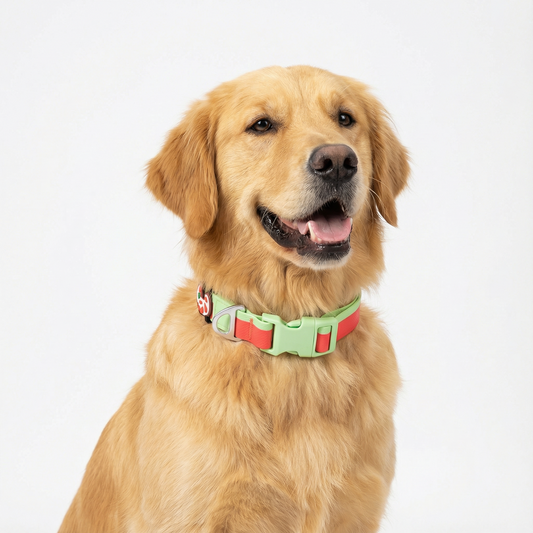
Choose leash width and hardware based on your dog's size and energy. Larger, high-energy breeds need sturdy clips and durable leashes. Smaller dogs prefer lighter widths for comfort and quick feedback.
As your dog's behavior improves, try different leash lengths. Always prioritize safety with strong clips and durable stitching during training.
Walking context: crowded streets vs. open parks and trails
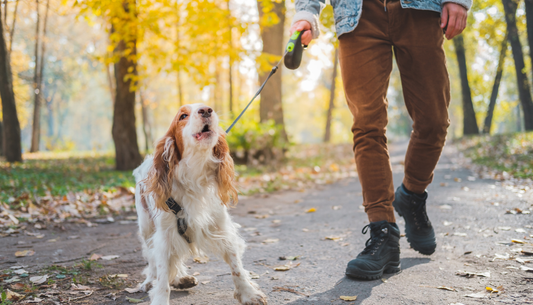
In busy cities, a shorter leash helps with precision at crosswalks. In parks, a 6-foot leash lets your dog sniff and explore without losing you.
For training in safe fields, use longer lines after mastering basics. This approach helps with leash length for training and keeps distractions away.
Handler preference and comfort: grip, clip strength, and control
Your comfort matters. Leather is soft, nylon dries fast, and PVC is slick-free in wet weather. A padded handle and strong clip improve control.
Choose tools you'll use every day, like a waterproof leash or the PawCora training leash. Consistency makes walking and training feel natural.
Best Practices for Daily Walks: 4-Foot vs. 6-Foot Leash Length for Walking
Daily walks are best when the leash length matches your route and your dog's pace. Many people debate between 4-foot and 6-foot leashes. They ask how much space they need to guide and avoid tension.
The best leash length keeps communication smooth and movement relaxed. It's about finding the right balance.
Think about feel in the hand, clip strength, and how quickly you can shorten or feed slack. A durable dog leash with a steady grip turns small cues into clear signals your dog can trust.

Why 6-foot remains the trainer-recommended standard for walks
A 6-foot flat lead is the default for most trainers. It balances freedom with control. It gives room to sniff and align at your side without pulling.
On sidewalks or park paths, this length helps maintain a loose line. It keeps responses quick and consistent.
Pair a 6-foot option with a durable dog leash build and a secure clip for longer routes. For many teams, this is the best dog leash length to keep pace steady and reduce leash friction.
When a 4-foot leash offers closer control and loose-leash precision
A 4-foot lead shines in tight spaces, busy storefronts, and crowded lobbies. The shorter span limits weaving and speeds up feedback during heel work. It can sharpen turns and stops when you are tuning mechanics or managing a high-energy start to a walk.
Use a 4-foot tool near traffic or in queues, then switch to 6 feet when the path opens. Framing 4-foot vs 6-foot leash choices this way keeps skills clean without losing comfort.
Materials that matter: leather, nylon, and easy-clean PVC dog leash options
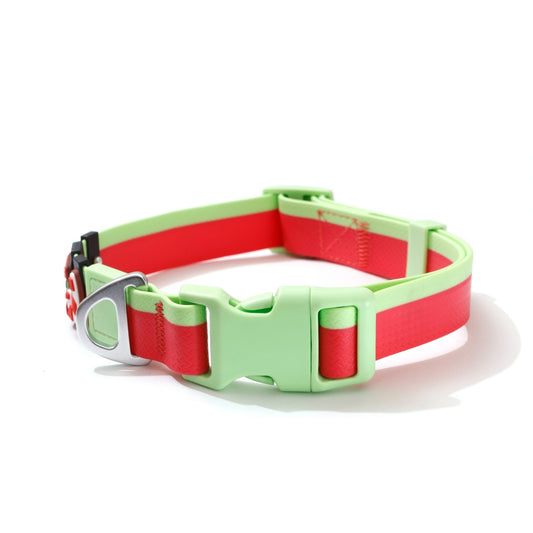
Leather molds to the hand and ages well, a favorite for all-day handling. Nylon is light, affordable, and comes in high-visibility colors for dusk walks. A pvc dog leash is waterproof, wipes clean fast, and resists odor after rain or mud.
- Leather: supple grip and long life for routine use.
- Nylon: quick-drying, low weight, and broad color choices.
- PVC: easy-clean utility for beach days and wet weather; brands like PawCora focus on this build.
Urban safety and communication on a standard flat leash
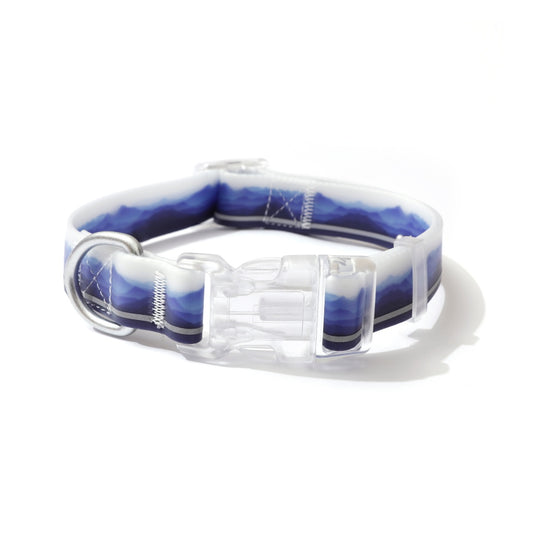
In city blocks, keep slack short at corners, driveways, and transit areas. A standard flat lead makes hand-over-hand adjustments smooth and predictable. Reflective stitching and a strong clasp add a safety margin in low light.
Match leash width to your dog’s size to improve feedback and comfort. Whether you choose 4-foot vs 6-foot leash setups, steady cues and a durable dog leash help maintain rhythm and keep the leash length for walking consistent with your plan and your PawCora gear preferences.
Recall and Distance Work: Long Training Leash Options and Lengths
Starting distance practice means having space and a plan. A long training leash gives your dog room to think while you control them. Pick a leash length that fits your dog's experience and the area you're in.
Keep sessions short, upbeat, and clear. Reward every return and reduce distractions as your dog gets better. Always check the leash and knots before each use for safety.
Recall training leash length: 15ft, 20ft, and 30ft dog leash choices
Start with a 15-foot leash to improve timing and avoid tangles. A 20-foot leash offers more range in smaller areas. A set of 10ft / 15ft / 30ft leashes lets you adjust as your dog grows.
For advanced dogs, a 30-foot leash mimics off-leash freedom in open, safe areas. Many prefer the PawCora 3m / 6m / 9m leash for various settings.
Long lines for off-leash foundations in controlled spaces
Use long leashes in fenced fields or quiet trails to build reliable recalls. Aim for a steady rhythm of cue, response, and reward while keeping a direct connection.
Check the leash for wear after each use and sweep it behind you to avoid snags. The PawCora recall leash ensures predictable handling for calm, repeatable drills.
Circle training with a long dog leash to build reliable recalls
Stand at the center and let your dog move around you. A long leash for circle training sets a smooth pace and keeps tension light. Mark attention, cue the recall, then reward at your feet.
Vary directions and distance to keep drills fresh. Use a PawCora 3m / 6m / 9m leash or a 10ft / 15ft / 30ft dog leash to fine-tune turn speed and focus.
Why trainers avoid retractable leashes for recall and safety
Retractable leashes have inconsistent tension and delay response. This can confuse timing and increase risk when a dog surges.
Opt for a fixed-length PawCora recall leash for stable feedback and better communication. A clear, even leash length helps your dog learn success every time.
Best dog leash length, Leash length for walking, Recall training leash length
The right dog leash length depends on your current goal. A 6-foot leash is perfect for most walks. It lets dogs sniff while keeping you in control.
For tighter control, a 4-foot leash is better. It reduces slack and makes cues clearer. Shorter leashes, 1–2 feet, are best for obedience drills. They offer quick feedback and help dogs learn faster.
As your dog's skills improve, you can use longer leashes. Fit matters: Choose a leash that matches your dog's size and strength.
For recall training, use a leash that's 15 to 30 feet long. This length helps dogs learn to come back without running off. Practice in open areas with clear signals.
The PawCora long training leash is great for long-distance work. It's durable, waterproof, and has secure clips. Many trainers use it to teach dogs to stay close while off-leash.
Here's a quick guide to leash lengths for different tasks:
- 4 feet: close control in crowds, doorways, and tight city blocks
- 6 feet: everyday standard and the most versatile leash length for walking
- 1–2 feet: precision heel work and quick resets
- 15–30 feet: recall training leash length for open spaces and distance cues
Always test the leash before training. A good leash helps you give clear feedback and keeps training safe. PawCora leashes are tough and balanced, making them perfect for training.
Comparing Durable Materials and Builds for Training Success
A good dog leash is key for control. Trainers often choose leather or thick nylon. Modern options include a pvc dog leash for weatherproofing. Pick the right width and hardware for your dog's size and training needs.
Durability and grip comfort: leather vs. nylon vs. waterproof PVC
Leather is comfortable and lasts long with care. Nylon is light and easy to clean, perfect for daily use. A waterproof PVC leash is great for wet conditions, keeping hands dry.
Clip and hardware strength for reliable control
Hardware needs to hold strong. Choose solid brass, stainless steel, or zinc alloy snaps. Make sure the swivel and D-ring attachments are secure.
For dogs that pull hard, use thicker webbing or leather. A sturdy leash like the PawCora training leash helps with quick movements and distractions.
Waterproof long dog leash benefits for beaches, rain, and mud
A pvc dog leash is great for wet conditions. It's easy to clean and doesn't hold smells. Reflective options are safer at dawn and dusk.
For long-distance training, a waterproof leash keeps commands clear. This makes recall drills safer and more effective.
Care and maintenance: regular inspections and easy cleaning
Check the leash often for damage. Look for frays, cracks, and bent hardware. Fix small issues early to avoid big problems.
For leather, clean and condition as needed. Nylon and PVC can be cleaned with warm water and soap. A quick rinse after use keeps your leash in good shape.
PawCora Solutions: Modern PVC Long Lines for Walking, Training, and Recall
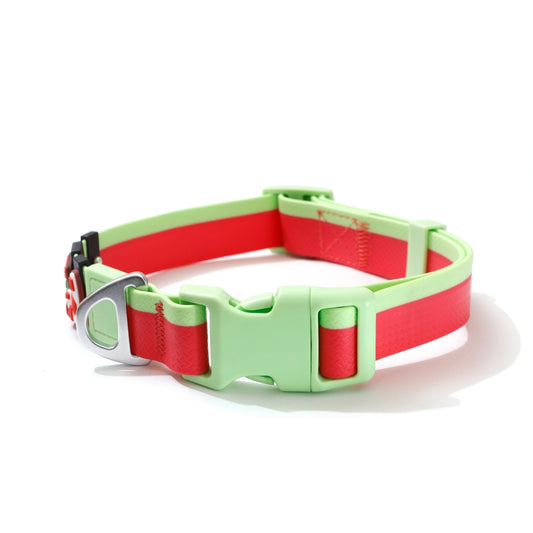
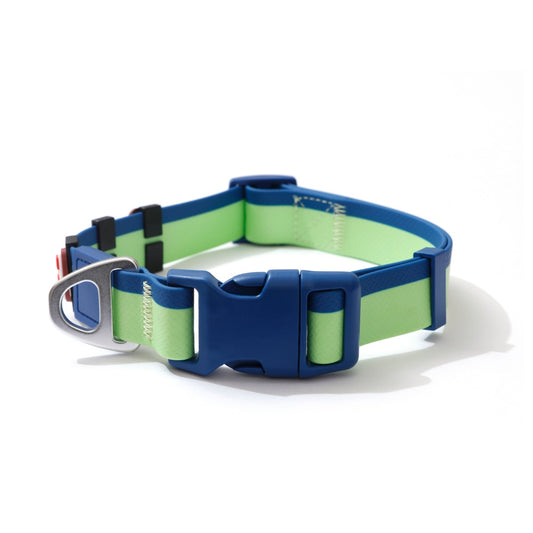
PawCora makes a pvc dog leash for real-world use. It's built for training and daily walks. The leash is tough, easy to clean, and works well on city sidewalks, wet trails, or sandy beaches.
A waterproof long dog leash keeps a firm grip in rain and mud. The smooth PVC doesn't hold smells and cleans up quickly. This makes a great set for your walks and training needs.
The PawCora long training leash is perfect for off-leash training in safe areas. Choose from 10, 20, or 30 feet to match your training goals. These lengths help keep your dog safe and focused.
Trainers love these lengths for their reliability. The leash is non-retractable, which means it's safer and more durable. It's built to last with strong clips and easy handling.
The PawCora recall leash is made with sturdy PVC and solid hardware. It's light but strong, and the coating stays flexible in all weather. It's great for parks, fields, and quiet trails.
It helps your dog learn tight turns, fast recalls, and calm stops. Whether you're working on loose-leash skills or expanding your training, a PawCora leash is a good choice. It's waterproof, easy to clean, and comes in different lengths.
As your dog gets better, you can switch to longer lengths. Use a PawCora recall leash to teach your dog to come back reliably. It's safe and effective.
FAQ
What is the best dog leash length for walking, training, and recall sessions?
A 6-foot flat leash is best for daily walks and basic training. It gives enough freedom while keeping you connected. For closer control, use a 4-foot leash in busy places or for precise training.