

How Do You Keep Your Dog Safe on Walks If They Pull Hard on the Leash?
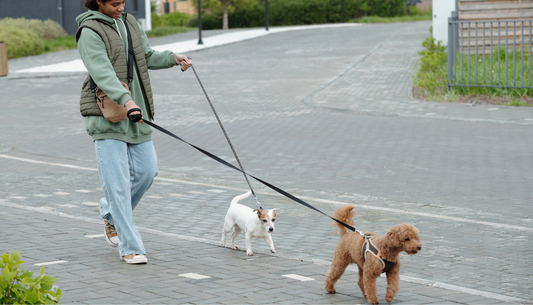
When a dog pulls on the leash, safety is key. The American Kennel Club says leashes keep dogs, people, and wildlife safe. They are needed in many cities. This guide offers safe walking tips based on humane training, so you can control your dog without pain or fear.
AKC GoodDog Helpline trainers suggest a simple rule: stop when the leash tightens. Move again only when it's loose. Forward motion is the reward. Use a brisk pace, short sessions, and calm handling. These tips help stop dog pulling and make walks positive.
We also talk about leash safety for strong pullers and safe walking for reactive dogs. We cover route choices and sniff breaks to reduce stress. You'll learn step-by-step skills for sidewalks, trails, and busy streets.
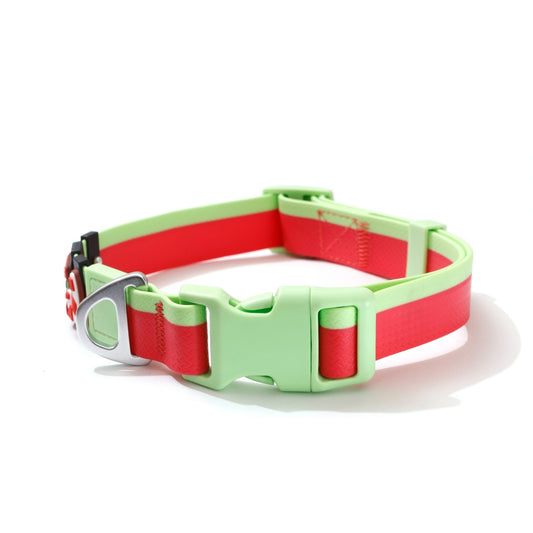
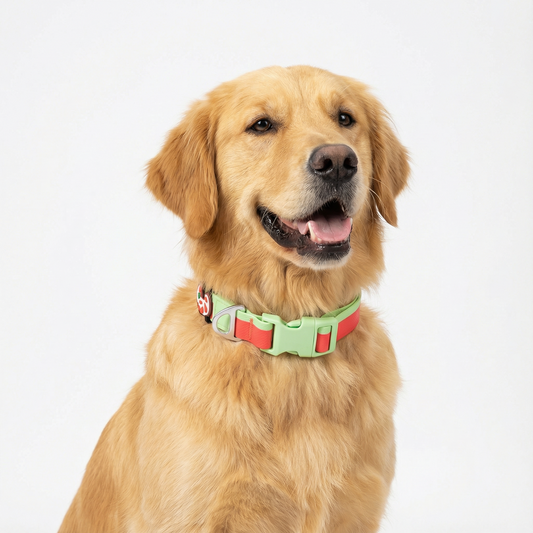
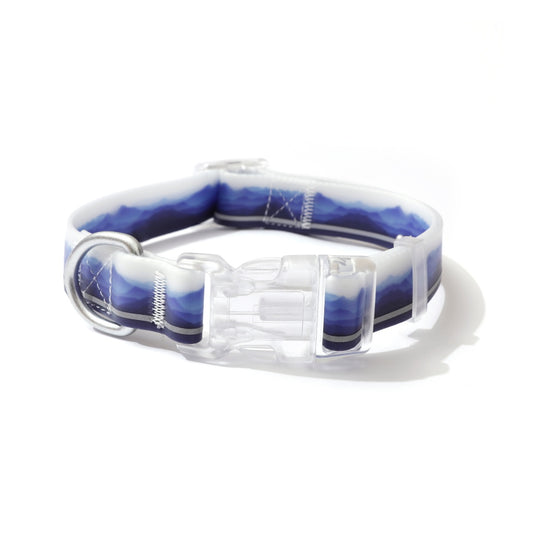
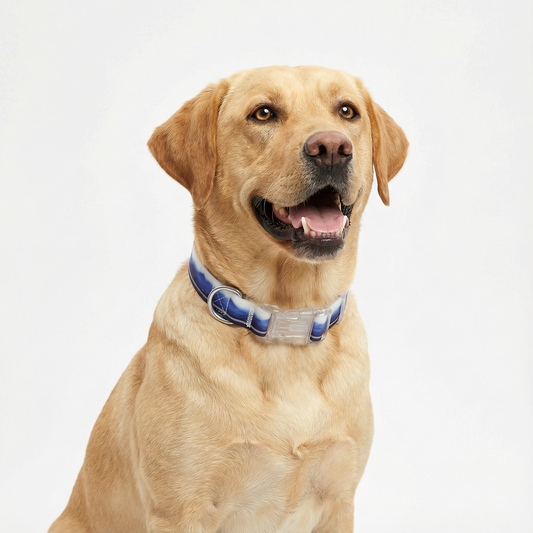
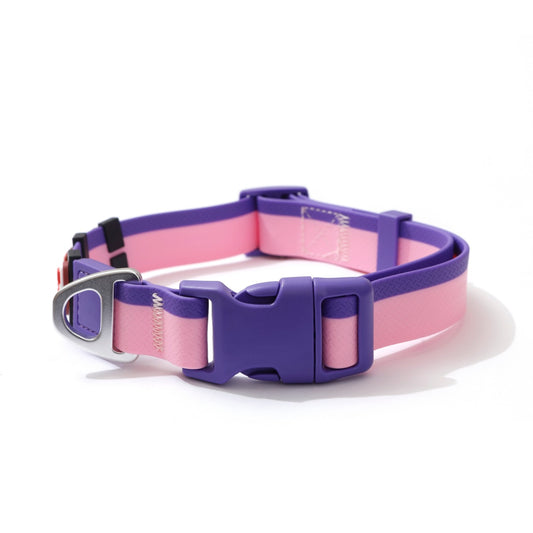
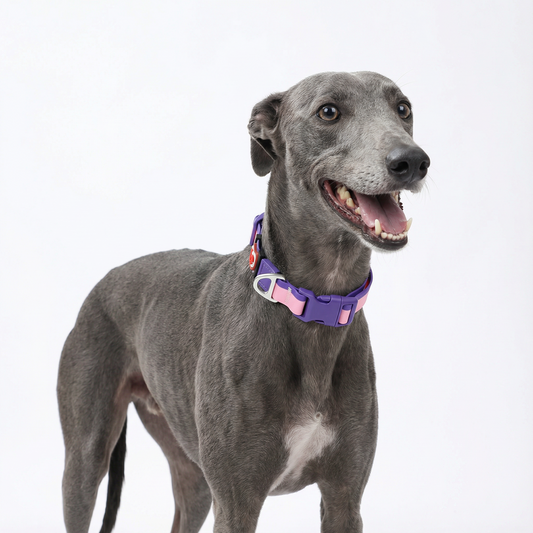
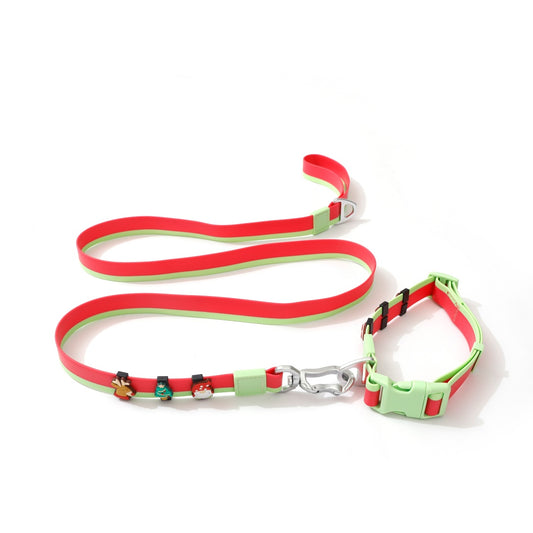
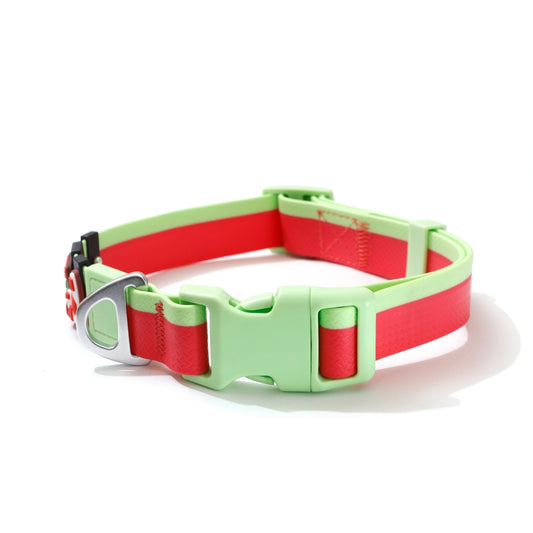
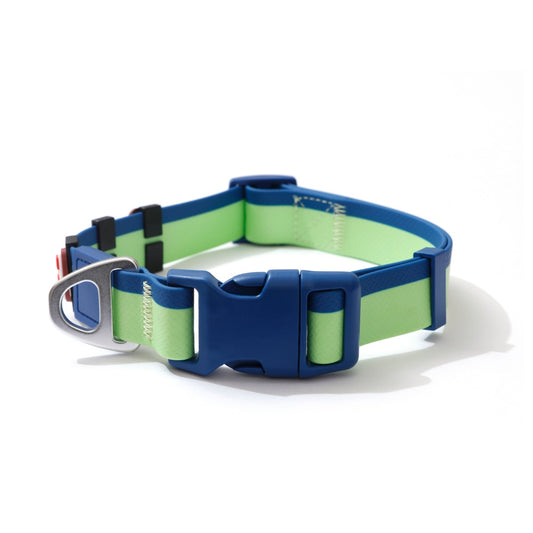
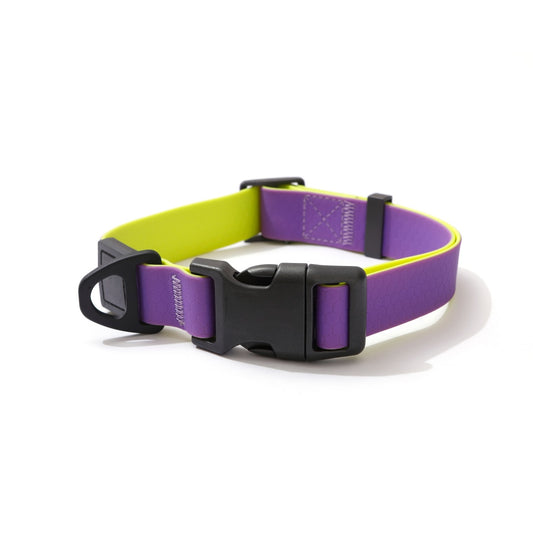
The PawCora P leash is durable and waterproof. It's perfect for rainy, muddy, or distracting scenes. It lets you have a secure grip without harsh corrections.

Begin here, practice often, and keep sessions light. With clear rules and kind reinforcement, you'll build safer habits. Do this one walk at a time.
Why Dogs Pull and What That Means for Leash Safety
Dogs pulling on leashes isn't about power struggles. It's about their natural pace, following scents, and past experiences. Knowing this helps keep them safe while walking.

Natural pace, sniffing needs, and curiosity as drivers of pulling
Dogs walk faster than humans. Their bodies are made for speed. This speed difference creates tension.
Curiosity also plays a big role. Dogs follow their noses to explore new smells and find important information. Meeting these needs is key to keeping them safe while walking.
Understanding reinforcement: why forward motion rewards pulling
Going forward is a big reward for dogs. Every step they take while pulling feels like progress. The American Kennel Club’s GoodDog Helpline says this teaches them to keep pulling to keep moving.
- Stop the moment you feel tension; wait for a slack, J-shaped leash.
- Move ahead only on slack to flip the payoff.
- Use brief sniff breaks as earned rewards for position.
When dogs pull and keep moving, they learn to keep pulling. Changing this by not moving when they pull helps them learn to walk better.
Safety risks for handlers and dogs when pulling goes unmanaged
Ignoring leash tension can be dangerous. Handlers might slip, twist an ankle, or drop things. Dogs could run into traffic, chase other dogs, or slip out of their harness. This makes it very important to manage their pulling.
- Check fit before every walk to prevent backing out of equipment.
- Keep arousal low; your calm steadies the line and reduces reactivity.
- Use routes with space to create distance when needed.
Safe walking starts with prevention. Meet their sniffing needs, manage their pace, and control what they learn. This helps them walk better and keeps everyone safe.
Prep Before You Step Out: Fit, Gear, and Environment Checks
Before you leave, get ready. A few safe dog walking tips at home can make the walk better. Start with the right fit, then check your gear, and pick a quiet route.

Secure, comfortable collar or harness fit to prevent slipping out
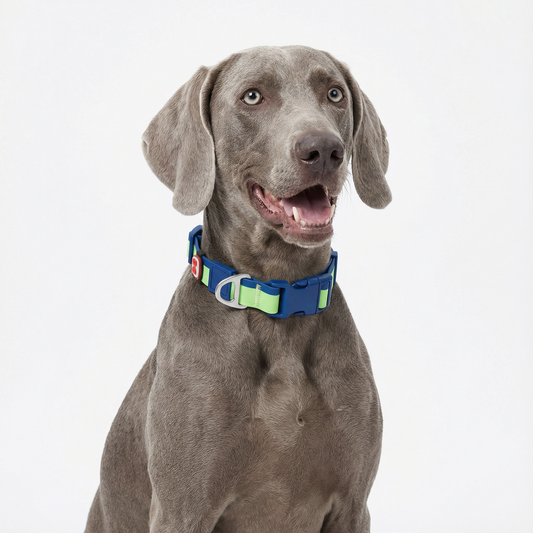
Make sure your dog's collar or harness is just right. It should be snug but not too tight. Look for one to two fingers of space between the collar and neck.
Match that with a durable leash for strong pullers. Choose a comfortable grip dog leash with padded handles. This protects your hands when your dog pulls.
Pre-walk energy release to improve focus and learning
Play a bit before you walk to calm them down. Try fetch, food puzzles, or a quick tug game. This helps them focus.
Start loose-leash practice indoors or in the yard. It's easier there because there are fewer distractions.
Keep these sessions short and fun. These safe dog walking tips teach your dog to walk on a loose leash.
Choosing lower-distraction routes and off-peak times
Look for quiet streets, wide paths in parks, or early morning walks. Avoid busy times and places with lots of distractions.
Walk at a steady, slightly fast pace. This keeps your dog engaged. A durable leash for strong pullers and a comfortable grip dog leash make it easier to guide them.
Core Loose-Leash Skills That Protect Your Dog on Busy Streets
Begin in a quiet area with a 4- to 6-foot lead. Before facing busy streets, practice here. A good harness and leash come later, after your dog learns.
Red light/green light makes the leash clear. Stop if tension shows. When the line is loose, praise and move forward. This shows pulling stops the walk, while a loose line keeps it going.
Make smooth turns to avoid pulling. Step back or pivot to get your dog to follow. "Crazy walking" makes your dog check in often, improving timing.
Teach a "watch me" command. When distractions come, ask for eye contact. Reward and pass by calmly. Hand targets or quick sits help manage distractions.
Use life rewards for good behavior. After ten feet of walking, let your dog sniff or greet. This makes walking a reward for your dog.
Keep training sessions short and fun. Even a short walk is good if the leash is loose. Be consistent to avoid pulling. Keep a pace that keeps your dog interested, then move to busier areas.
Leash safety for strong pullers, Safe walking for reactive dogs, PawCora P leash
For strong pullers, pick gear that lets you control without hurting. A heavy-duty pvc dog leash grips well in wet or muddy conditions. It helps you stay steady when your dog pulls hard. Always stop when they pull and go when they're calm.
This method cuts down on pulling and protects your joints and your dog's. It's good for both of you.
Safe walking for reactive dogs begins before they get upset. Start with a treat or a hand signal. Then, change direction smoothly to give them space.
Use an anti-lunging dog leash to help with turns and keep the leash short but gentle. This way, you can control your dog without hurting them.
The PawCora P leash is made of waterproof PVC and has strong hardware. It's perfect for busy streets and trails. It helps you handle your dog calmly and keeps them under control.
Teach your dog to walk nicely by rewarding them for calm behavior. Use short training sessions and give them time to sniff. Only use long training lines in safe places to avoid too much pulling.
When your dog gets upset, move away quickly and use things like cars or hedges as barriers. Make your movements predictable and calm. With the right leash, like the PawCora P, you can control your dog safely and teach them to walk nicely.
Humane Training Only: What to Avoid for Safety and Welfare
Keeping walks safe and building trust is key. Use calm, reward-based steps to teach your dog. This approach helps them learn what to do, not what to fear. Start with clear rules: tension stops movement, slack earns forward motion.
Veterinary and training groups warn that harsh gear and force can harm tissue and raise arousal. This risk is higher on crowded sidewalks and busy parks. Here, quick decisions are critical for leash safety for strong pullers.
No leash yanking, prong, pinch, or choke devices
Leash jerks and metal prongs can hurt the neck, trachea, and esophagus. They link pain to the scene, which can fuel lunging or barking. For safe walking, skip prong, pinch, choke, and chain collars. Teach your dog to stop pulling with a stop-and-go rule and food rewards for a loose, J-shaped leash.
- Stop the instant the leash tightens.
- Move forward the moment it goes slack.
- Mark and reward at your side to reinforce position.
Avoid punitive methods that increase reactivity and risk
Punishment may silence a behavior but often raises fear or frustration. This can turn neutral sights into triggers and undermine leash safety for strong pullers. Positive reinforcement shows the dog how to earn what they want—forward motion, sniff breaks, and attention—supporting safe walking for reactive dogs across real-life routes.
- Pay for eye contact with a treat or sniff cue.
- Use brief halts to reset arousal before proceeding.
- Rehearse turns and hand targets away from crowds.
Why staying calm prevents tension from traveling down the leash
Dogs read our bodies, breath, and hands. A tight grip or sharp exhale can signal alarm and raise arousal. Keep shoulders soft, breathe steady, and maintain light contact to support how to stop dog pulling. A relaxed handler improves focus, so cues like “watch me” land faster and make safe walking for reactive dogs more consistent.
- Lower your tone and slow your steps before passing a distraction.
- Feed calm: tiny treats for a loose leash and brief checks-in.
- Reset with distance if you feel tension building.
Management Tactics That Reduce Pulling Risk Today
Smart management stops the cycle of pulling while training catches up. Keep sessions short, build in rest breaks, and choose gear that handles weather and wear. A waterproof training leash and a mud-proof dog leash help you keep control when sidewalks are slick or trails are messy, while a durable leash for strong pullers adds security without harsh tools.
Set the scene before stepping out. Start indoors, then move to the yard, and only then to quiet streets. Pick off-peak times and low-traffic routes so your dog can practice calm patterns without surprise triggers.
Longer training lines to allow safe exploration without tension
Use a 10–50 foot line in open, safe areas. Let your dog drift to the shoulder of the path and explore while you maintain a slack J in the line. A waterproof training leash glides cleanly in wet grass, and a durable leash for strong pullers resists wear when a big dog tests the boundary.
Keep one hand as a brake and the other to gather slack. Change direction smoothly instead of yanking. On muddy trails, a mud-proof dog leash prevents grit from grinding into your hands and keeps cues clear.
Planned sniff stops to satisfy needs without chaos
Make sniffing a life reward. After several steps of loose-leash walking, mark the moment, then cue a brief sniff break. This lowers frustration and reduces the urge to surge ahead.
Use consistent cues like “go sniff” and “let’s go.” A waterproof training leash stays easy to handle if the grass is wet, and a mud-proof dog leash keeps your grip steady as you resume walking.
Route and timing choices to minimize triggers for reactive dogs
Pick calmer blocks, wider sidewalks, and parks with clear sight lines. Walk early morning or late evening to avoid crowded paths and doorways. If greetings spark pulling, choose routes with fewer entrances and patio tables.
When you spot a trigger, add distance or place a car or hedge between you and the distraction. A durable leash for strong pullers supports these quick adjustments, and a waterproof training leash makes handling steady even in rain.
Weather matters. In rain or on slick leaves, shorten the line, slow your pace, and favor traction-friendly routes. A mud-proof dog leash paired with a comfortable grip helps you guide smooth direction changes while keeping tension low.
How to Train in Real Life Distractions Safely
Real streets change fast. Use safe dog walking tips that keep focus on you when a dog pulls on leash. Bring high-value treats and a leash for impulse-control training so progress stays steady in busy spots.
Engage early: treats, hand targets, and quick sits before stimuli escalate
Before your dog locks on a jogger or bike, feed a rapid treat stream, cue a hand target, or ask for a fast sit. This keeps eyes on you while the trigger passes. Pair these moves with a leash for impulse-control training and mark calm choices.
- Start feeding as the stimulus appears, not after a lunge.
- Use short, clear cues and keep repetitions brisk.
- When the dog pulls on leash, stop, wait for slack, then move again.
Build distance and use visual blocks to prevent lunging
When arousal rises, add space. Cross the street, pivot smoothly, or step behind a parked car to break the view. These safe dog walking tips lower pressure and prevent rehearsed pulling.
- Increase distance first; avoid leash jerks during turns.
- Use cars, hedges, or corners as calm visual shields.
- Resume on a loose line and reward position at your side.
Practice pace changes so your dog matches your movement
Switch between a brisk walk and a slower stroll so your dog learns to mirror you. Many dogs keep a looser line at a slightly quicker tempo, reducing how often a dog pulls on leash.
- Call out “let’s go,” step off, and reinforce beside your hip.
- Stop on tension, go on slack, and pay generously for attention.
- Blend in brief sniff breaks as earned, real-life rewards.
Train first in quiet areas, then layer in harder places. Keep sessions short, reward often, and use a steady leash for impulse-control training to support focus as the world gets busier.
Why PawCora’s Waterproof PVC-Coated Leashes Improve Safety and Control
PawCora leashes combine humane training with real strength. The PVC coating is like a safety net in wet or dirty conditions. This makes it easier to control your dog in rain, snow, or dust.
A waterproof and mud-proof leash helps during training. It prevents slipping and makes it easier to control your dog. The leash is also comfortable to hold, reducing hand strain.
For dogs that pull hard, a strong leash is essential. The heavy-duty PVC leash can handle sudden pulls. It helps you train smoothly and consistently, even in bad weather.
Reactive dogs need a stable leash for training. The PawCora P leash keeps the tension steady. This helps you teach your dog to walk calmly and avoid pulling.
Using a reliable leash every day helps your dog learn faster. The waterproof and mud-proof features protect your hands and your dog. The comfortable grip and heavy-duty design make walks safer and more enjoyable.
FAQ
How do I keep my dog safe on walks if they pull hard on the leash?
Start with humane, evidence-based skills. Use the red light/green light method: stop when the leash tightens, move only when it relaxes into a J-shape. Reward loose-leash moments with treats, praise, and life rewards like sniffing.